If you would prefer to watch this reflection instead of read it, the video is available at the bottom of this page.
A few days ago, I received some difficult news. I’ve found myself returning to it several times since then, not because I have answers. If anything, I have more questions than I did that day.
Some experiences have a way of staying with us until we’re willing to sit with them a little longer.
I won’t share the details because they are not mine to share. What I will share is what the experience brought up in me.
For the past few days, I have found myself replaying conversations in my mind. From the outside, it appeared that progress was being made. Goals were being discussed. Plans were being developed. There were setbacks, but there were also signs of movement.
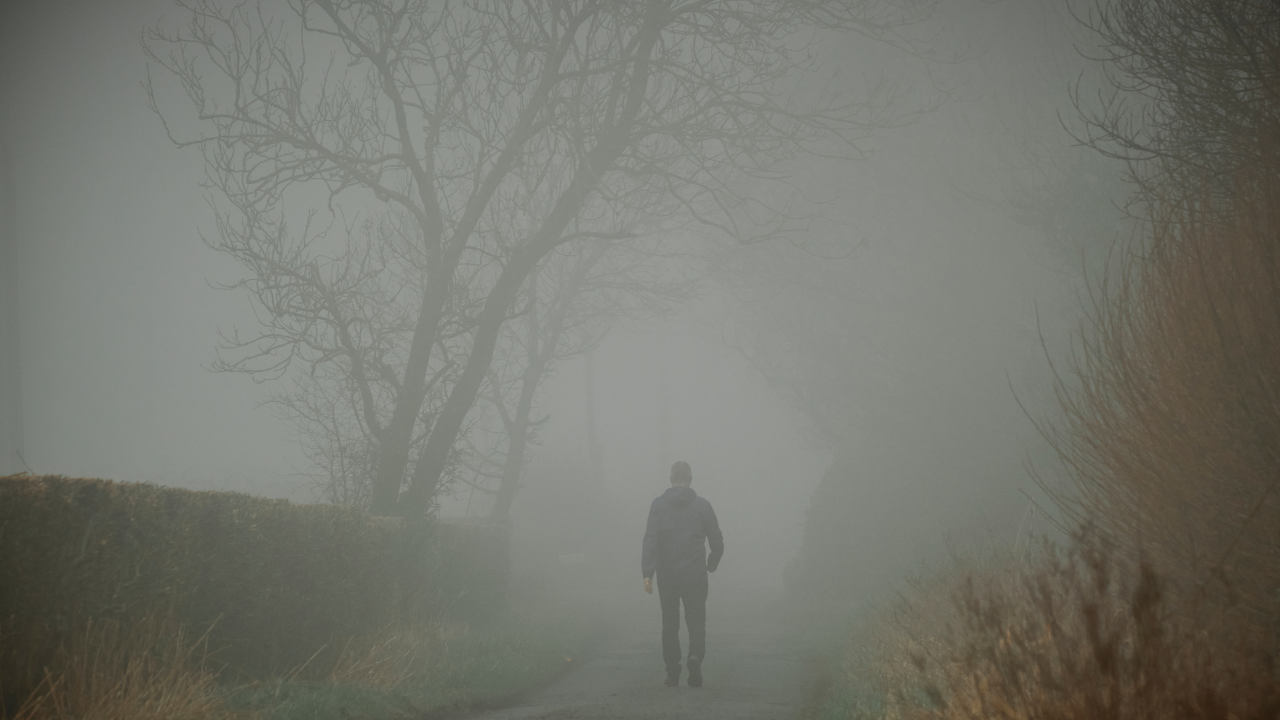
What has stayed with me is the reminder that we can see progress on the outside without knowing what is happening on the inside.
Perhaps that thought has lingered because I know something about masks. For years, I became very skilled at looking better than I felt.
There were times when I appeared functional, capable, and even successful. I could show up, carry on conversations, and fulfill my responsibilities. Meanwhile, I was struggling in ways many people could not see.
The gap between appearance and reality can be surprisingly wide. Maybe that’s why this experience has settled so heavily in my gut.
Recovery has taught me that not every story unfolds the way we hope it will. Over the years, I have watched people find lasting recovery. I have also watched people return to substances, return to old behaviors, and sometimes lose battles they desperately wanted to win.
None of that was new to me. But knowing something intellectually and experiencing it personally are not always the same thing.
As someone working in recovery, I understand my role. I am not a therapist. I am not a savior. I am not responsible for another person’s choices. My role is to walk alongside people for a season, listen to their story, and share hope from my own lived experience.
I know that. I believe that. And yet I still found myself asking questions.
Would one more conversation have made a difference? Would one more text have opened a door? Would one more question have allowed the mask to come down?
The honest answer is that I don’t know. And sadly, I never will.
What I do know is that I don’t want to fall into either extreme. I don’t want to take responsibility for choices that were never mine to control. But I also don’t want to become indifferent.
I don’t want to tell myself that people make their own decisions and simply move on as if nothing happened. That doesn’t feel honest either.
Somewhere between responsibility and indifference is a place called compassion.
Compassion allows me to care deeply without believing I control the outcome. Compassion allows me to grieve without assuming blame. Compassion allows me to acknowledge another person’s suffering without pretending I had the power to remove it.
The older I get, the less certain I become that I know what is happening inside another person. I can listen. I can care. I can check in. I can walk alongside. But there will always be parts of another person’s experience that remain unseen.
I find that reality both humbling and heartbreaking.
The coworker who seems fine. The friend who says they’re doing okay. The family member who insists everything is under control.
It also reminds me of something I learned long before I began working in recovery. People often carry far more than we realize.
Sometimes the struggles that matter most are the ones we cannot see.
That doesn’t mean we stop reaching out. It doesn’t mean we stop caring. If anything, it reminds me why those things matter.
Not because they guarantee a particular outcome. They don’t. But because every person we meet is carrying a story that we can only partially see.
And sometimes the most important thing we can do is remember that.
Watch the Reflection
If you would prefer to watch rather than read, you can do so below.